The article was published in Polish. Below is an English translation of its opening. Wersja polska
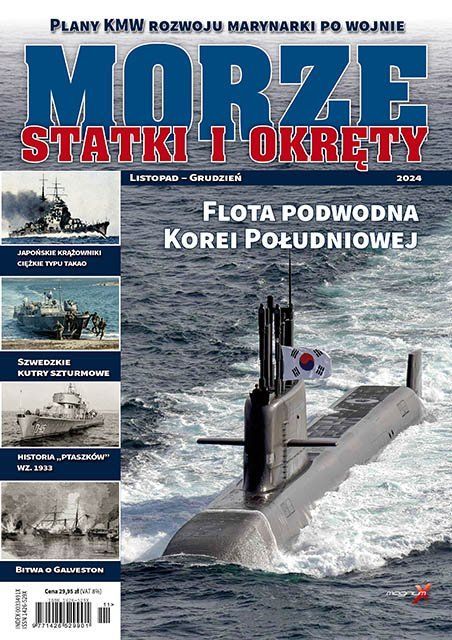
When the US Navy proclaimed the blockade of the Southern coast, one of the four main ports – alongside New Orleans, Pensacola and Mobile – that the West Gulf Blockading Squadron was to blockade was Galveston, Texas. Only in the autumn of 1862 did the Federals decide to send a small garrison there. Aware of the port’s importance, the Confederates responded with a daring counterattack by land and sea.
Galveston lay on an island separating a vast bay from the sea; the bay’s shallow waters limited its usefulness as an ocean port, but also made it harder to blockade. Before the war, most maritime trade was carried by shallow-draught vessels sailing from there to New Orleans. Because the railway network was poorly developed, other Texas ports were of little importance as bases for blockade runners. Galveston, however, was linked by rail to Houston and served as a transhipment point for goods floated down the Brazos River. Before the Civil War, 300,000 bales of cotton worth $15 million – three-quarters of Texas’s cotton exports – were shipped from Galveston, along with sugar cane, corn, wheat, timber, hides and wool.