The article was published in Polish. Below is an English translation of its opening. Wersja polska
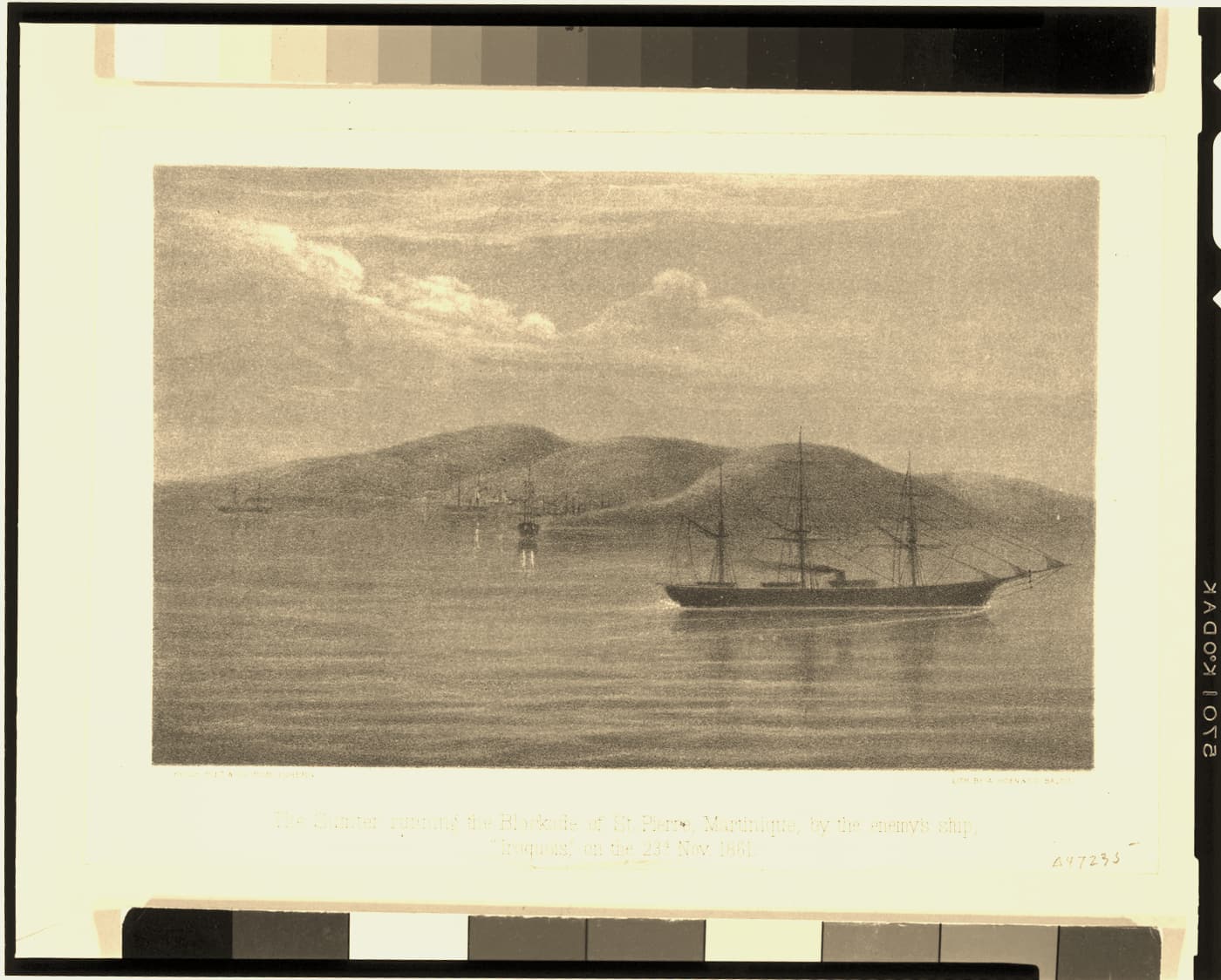
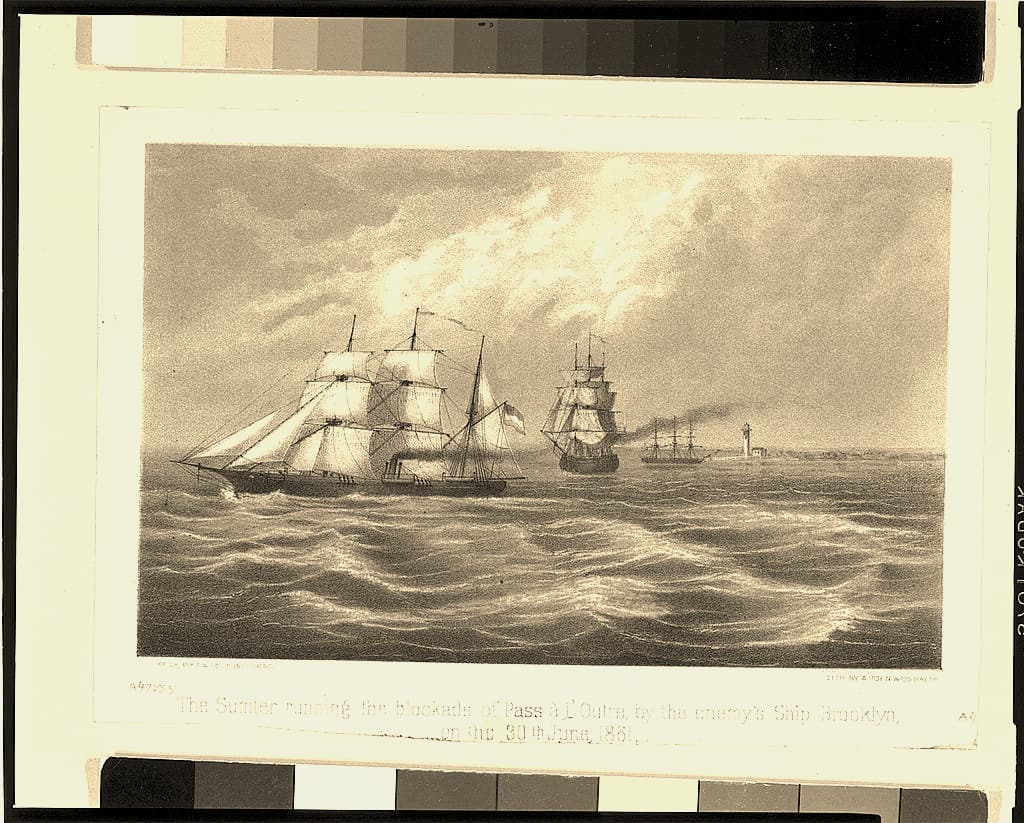
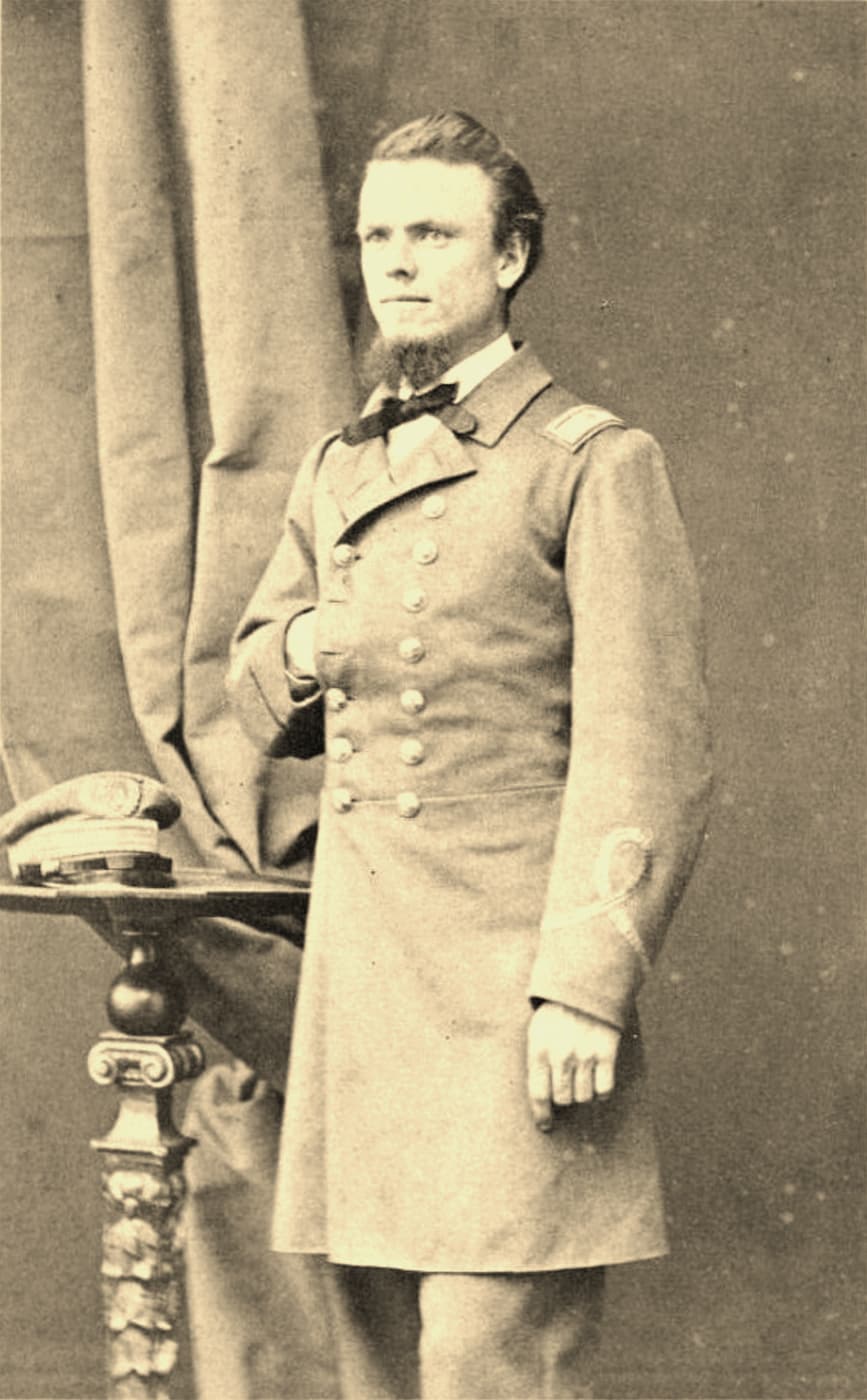
At the outbreak of the Civil War, the Confederate Secretary of the Navy, Stephen Mallory, set out to order ships in British yards designed to prey on enemy shipping. Building them would take time, however, and Mallory wanted to strike at Union maritime trade at once. A board of CS Navy officers sitting in New Orleans on his orders examined merchant vessels that might serve as raiders, but none met the requirements. Discouraged, Mallory showed its report to Commander Raphael Semmes, who drew attention to the steamer Havana.
Havana was a two-masted, wooden-hulled, barque-rigged screw steamer built in Philadelphia in 1859. She had a burden of 499 tons and measured 56 m in length, 9 m in beam and 4 m in depth of hold. Before the war she ran the New Orleans–Havana line as a mail and passenger ship and was classed A1 in Lloyd’s Register of 1861. She could make 10 knots and was strong enough to carry four or five guns, but in the board’s opinion her insufficient endurance (coal for only five days’ steaming) and lack of room to accommodate a larger crew disqualified her as a warship. Semmes read the report on Havana and, undeterred, told Mallory: “Give me that ship; I think I can make her answer the purpose.” He got his way and, under orders dated 18 April 1861, went to New Orleans to take command of the vessel that was to be named Sumter.