The article was published in Polish. Below is an English translation of its opening. Wersja polska
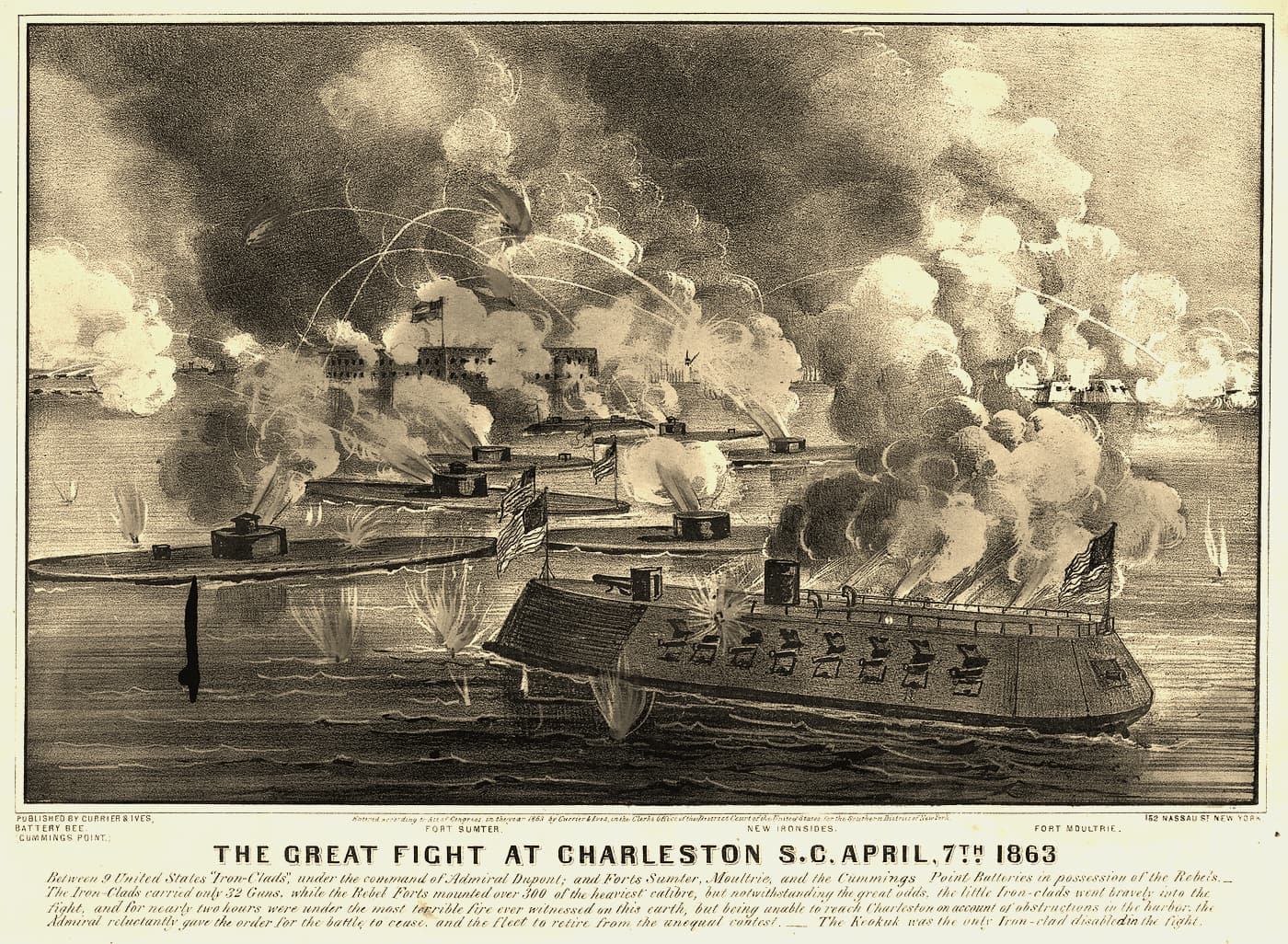
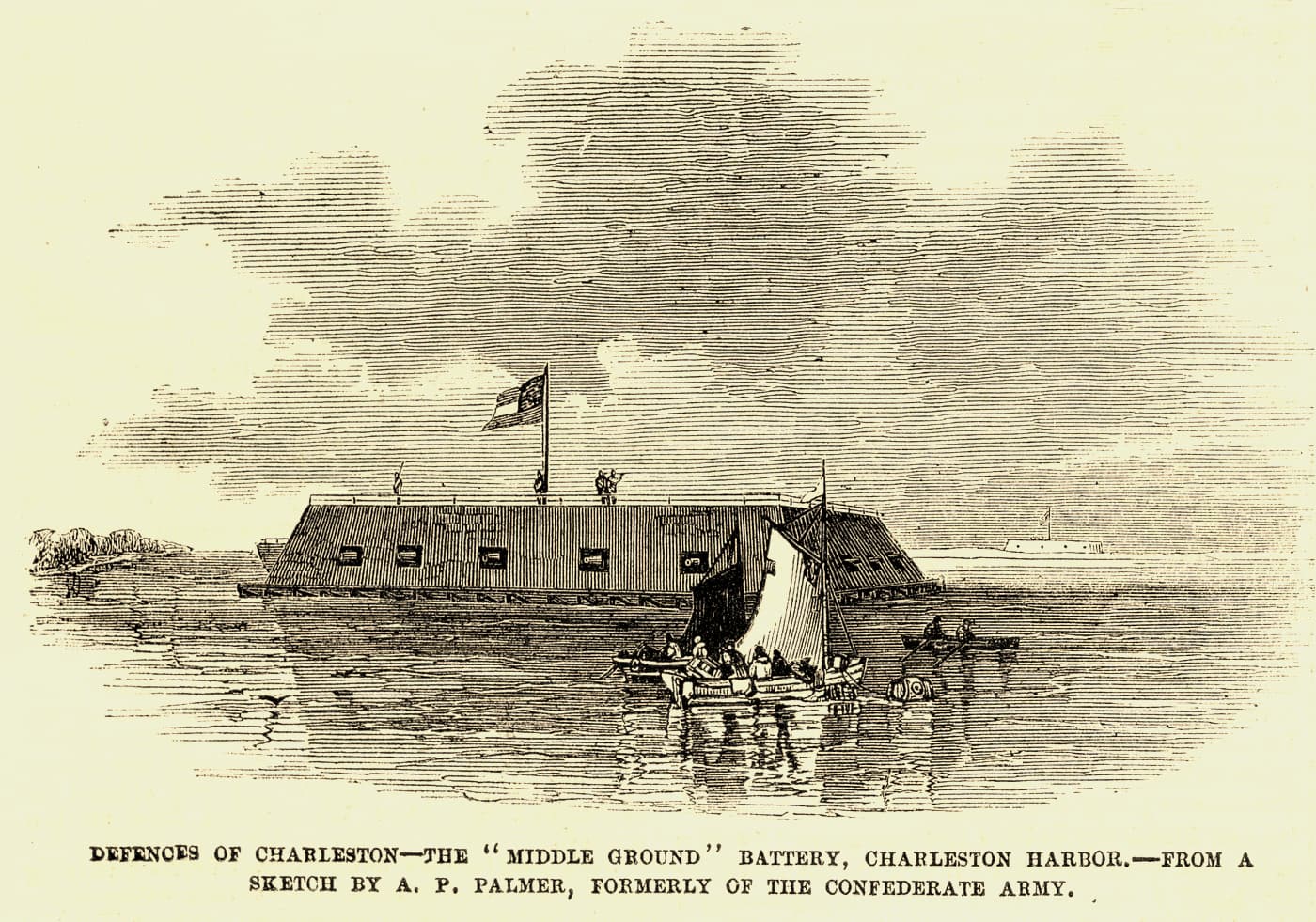
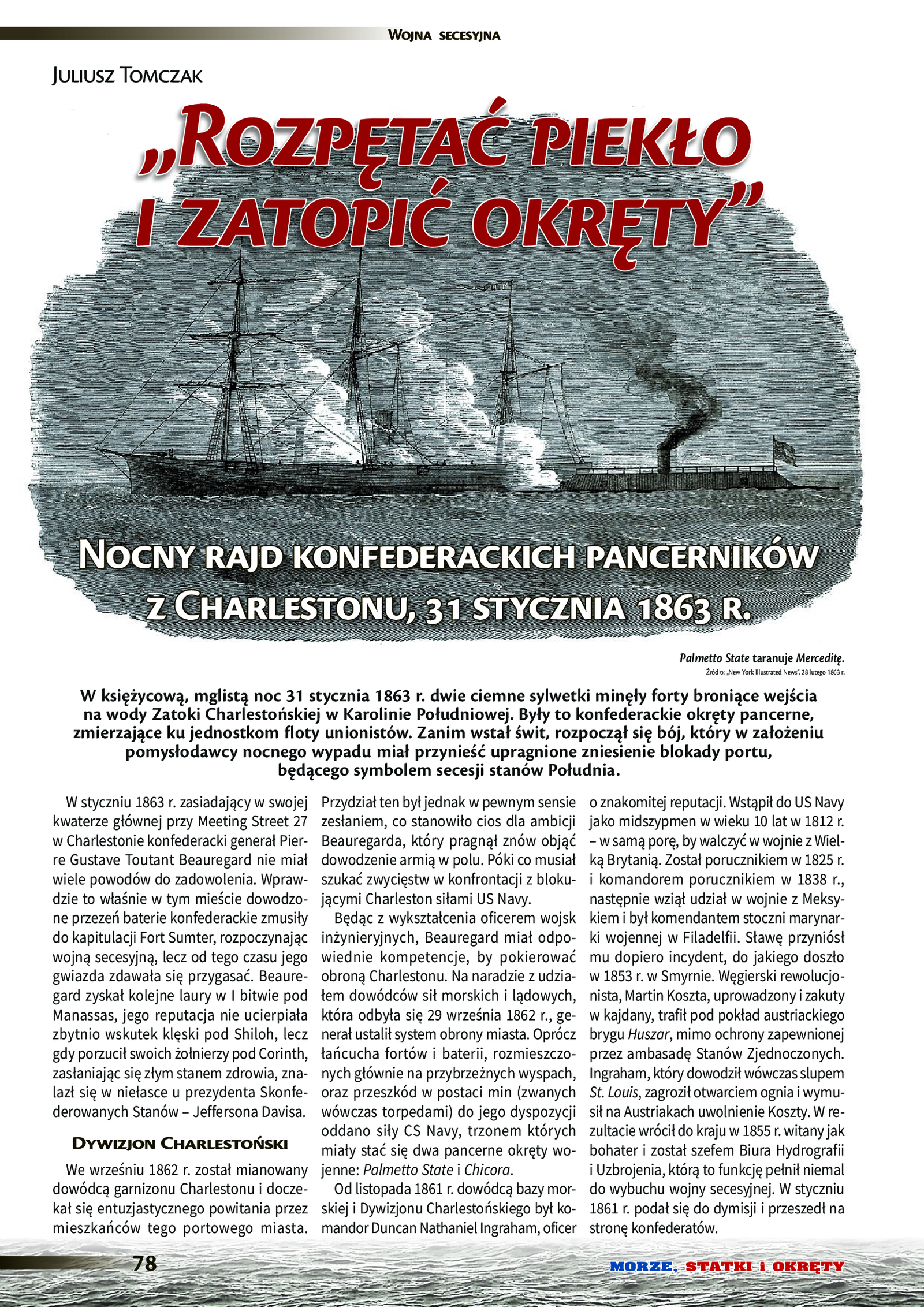
On a moonlit, misty night, 31 January 1863, two dark silhouettes slipped past the forts guarding the entrance to Charleston Harbor, South Carolina. They were Confederate ironclads heading for the ships of the Union fleet. Before dawn, a battle began which, in the mind of the man who conceived the night raid, was to bring about the long-desired lifting of the blockade of the port that symbolised Southern secession.
In January 1863, Confederate General Pierre Gustave Toutant Beauregard, sitting in his headquarters at 27 Meeting Street in Charleston, had little reason to be satisfied. It was in this very city that batteries under his command had forced Fort Sumter to surrender, starting the Civil War, but since then his star seemed to have faded. Beauregard won further laurels at the First Battle of Manassas, and his reputation did not suffer much from the defeat at Shiloh, but when he left his soldiers at Corinth, citing ill health, he fell out of favour with the President of the Confederate States, Jefferson Davis.