The article was published in Polish. Below is an English translation of its opening. Wersja polska
Download the endnotes (PDF, in Polish)
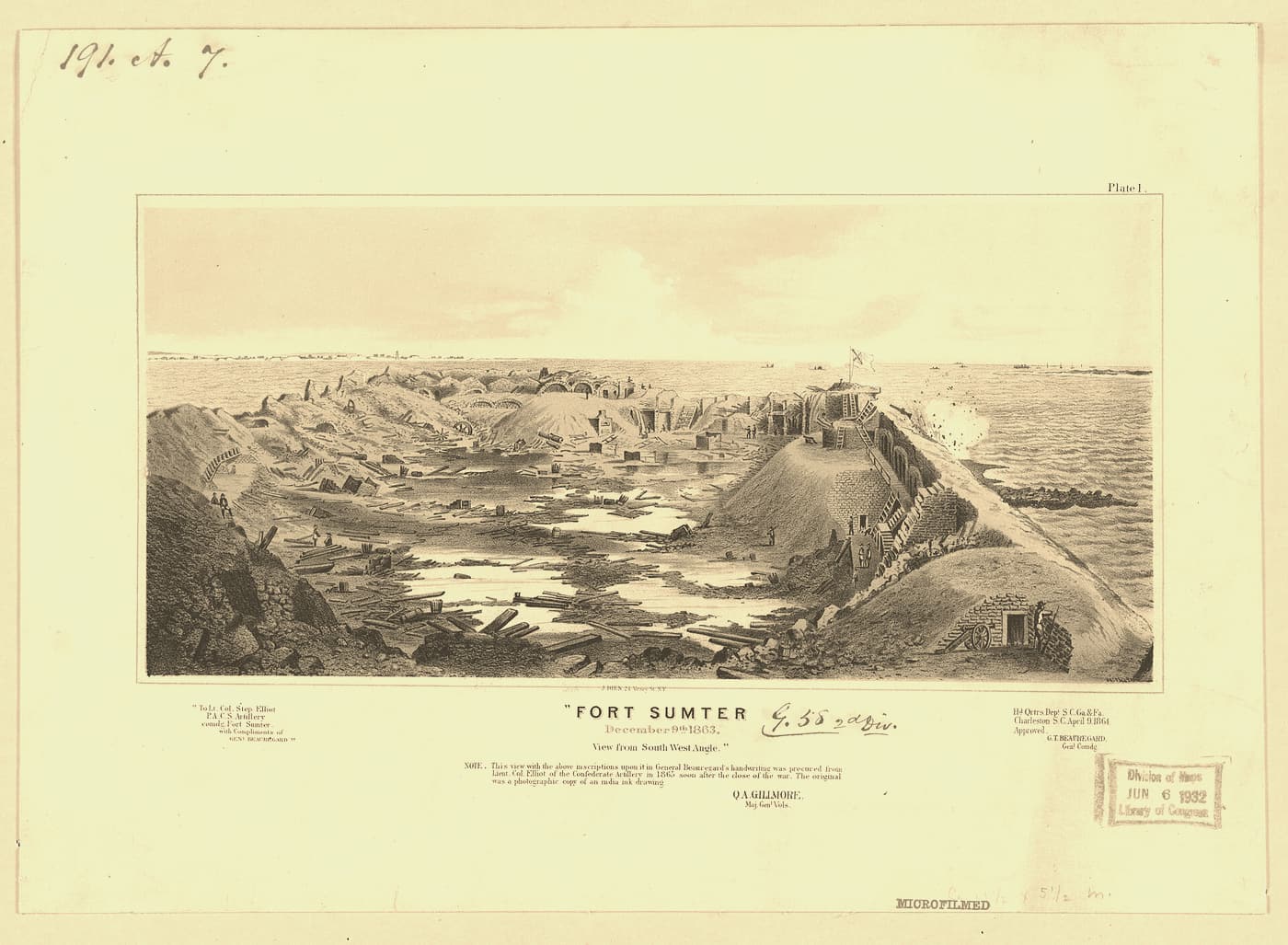
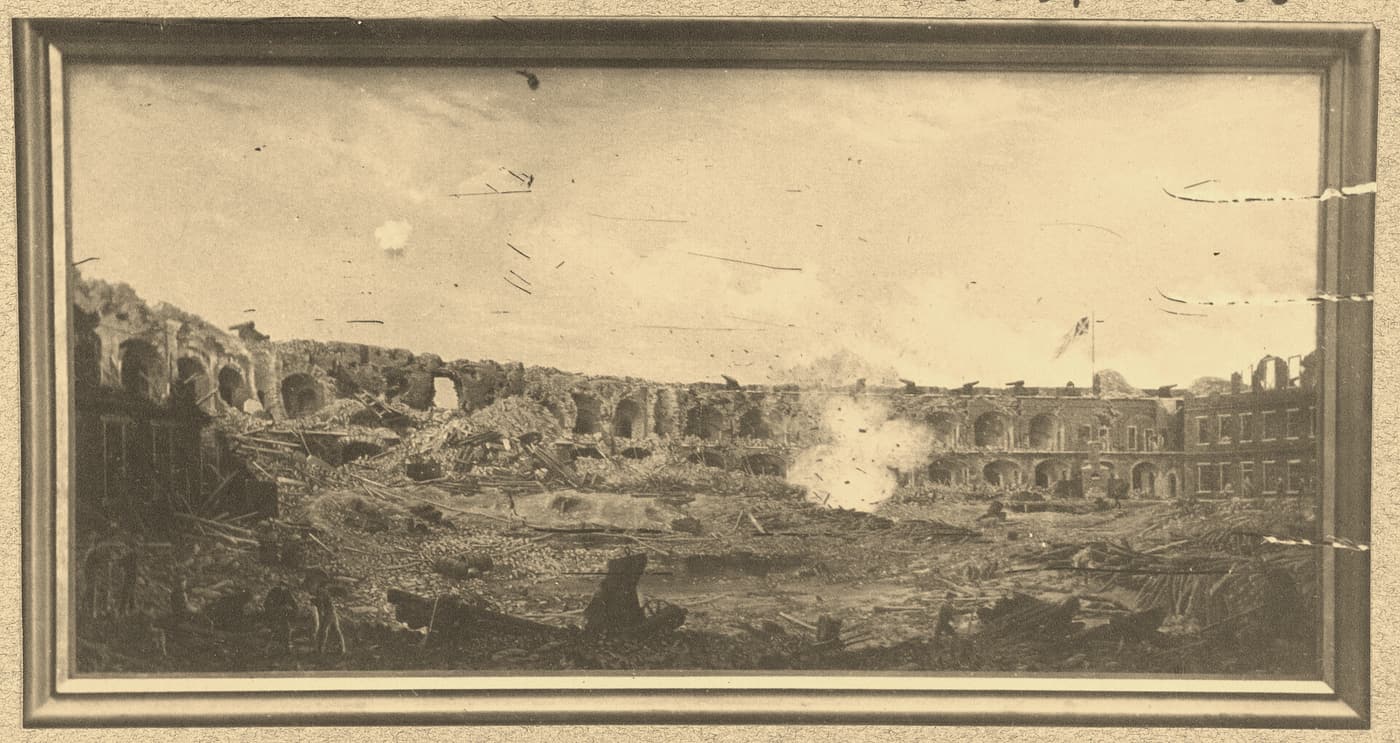
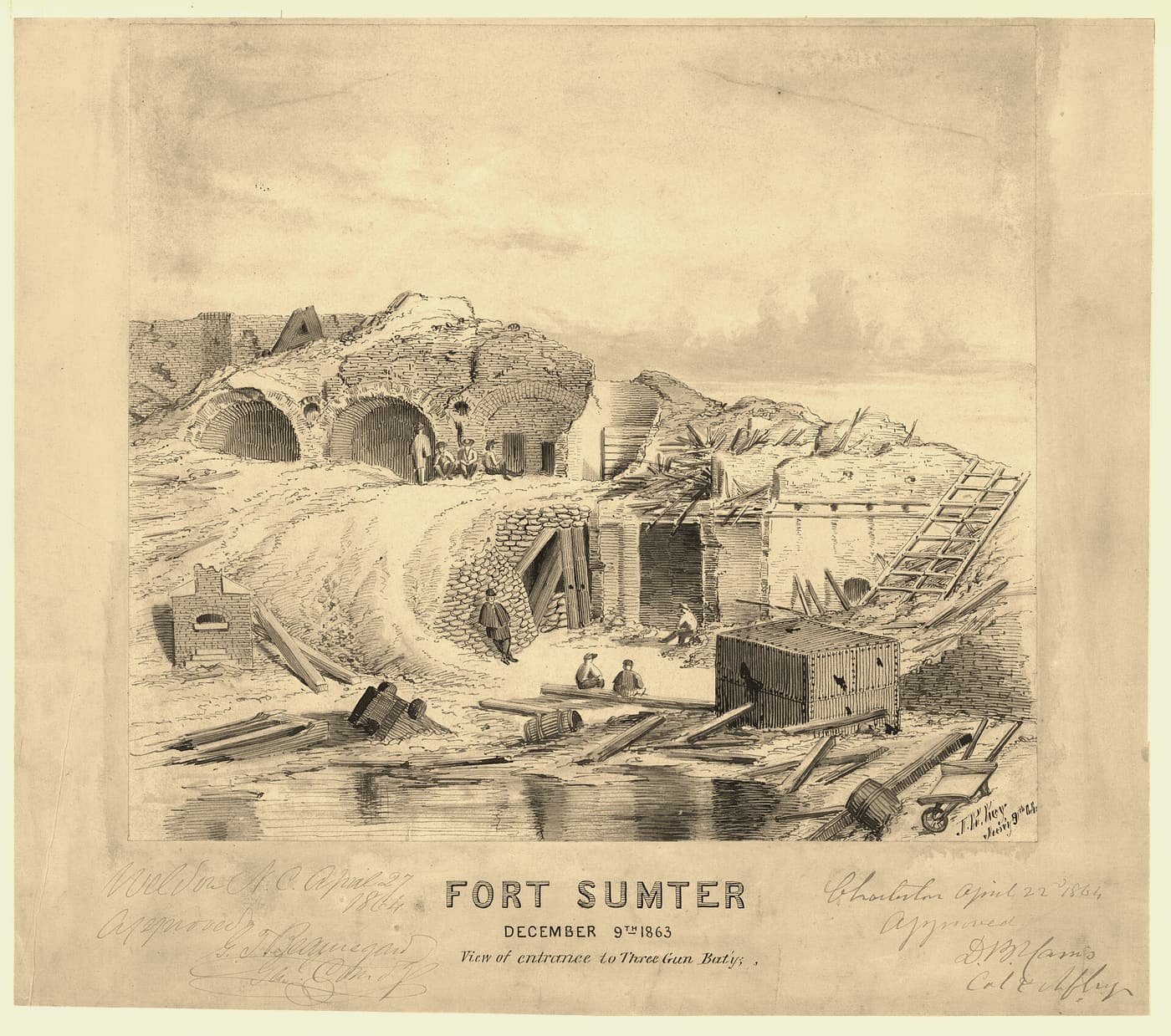
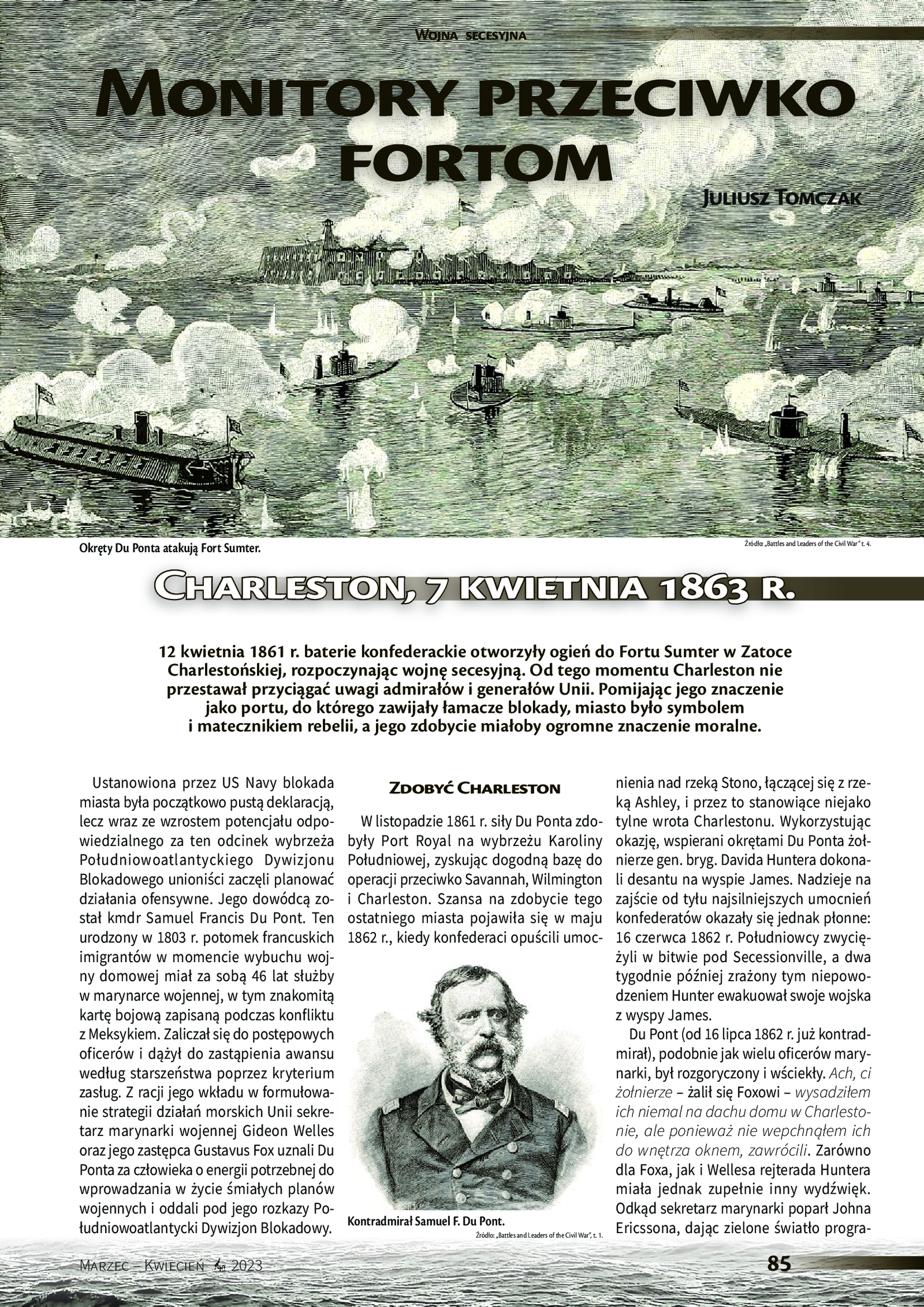
On 12 April 1861, Confederate batteries opened fire on Fort Sumter in Charleston Harbor, starting the Civil War. From that moment on, Charleston never ceased to attract the attention of Union admirals and generals. Apart from its importance as a port used by blockade runners, the city was the symbol and cradle of the rebellion, and its capture would have had enormous moral significance.
The US Navy’s blockade of the city was at first an empty declaration, but as the strength of the South Atlantic Blockading Squadron, responsible for this stretch of coast, grew, the Federals began to plan offensive operations. Its commander was Flag Officer Samuel Francis Du Pont. Born in 1803, the descendant of French immigrants had 46 years of naval service behind him when the war broke out, including a distinguished combat record in the war with Mexico. He was one of the progressive officers and sought to replace promotion by seniority with promotion by merit. Because of his contribution to shaping Union naval strategy, Navy Secretary Gideon Welles and his assistant Gustavus Fox regarded Du Pont as a man with the energy needed to carry out bold war plans and placed the South Atlantic Blockading Squadron under his command.